



These entries are designed to reflect the ongoing usage of fixed assets over time. When you write off an asset, you must post a journal to reduce the current value to zero and increase the depreciation expense. For example, if you bought a car worth $10,000 and the accumulated depreciation is $8,000, the current worth is $2,000. You need to increase the value in the balance sheet depreciation account and the overhead depreciation account by $2,000.

AccountingTools

However, since it is a non-cash expense, it does not affect the cash flow of the company. Accumulated depreciation is the total of all depreciation expenses recorded for an asset since its acquisition. Depreciation reduces the carrying cost of an asset every accounting period, but market value doesn’t always align with those changes.
Depreciation and Cash Flow
In this blog, we are going to talk about the accounting entry for depreciation, how to calculate depreciation expense, and how to record a depreciation journal entry. The journal entry of spreading the cost of fixed assets is very simple and straightforward. We simply record the depreciation on debit and credit to accumulated depreciation. At the end of useful life, the net book value of the asset equal to the cost minus accumulated depreciation.
Example: Accumulated Depreciation on a Machine
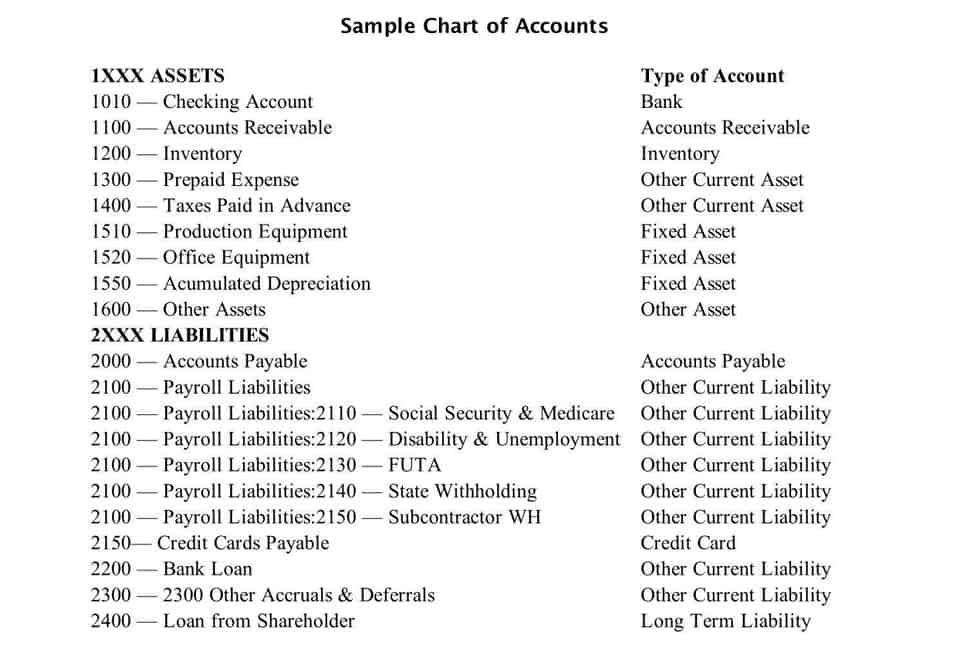
For instance, equipment bought for $50,000 with $10,000 in accumulated depreciation has a net book value of $40,000. This presentation provides transparency about the asset’s remaining undepreciated cost. The balance in Accumulated Depreciation grows over time until the asset is retained earnings fully depreciated or disposed of. Depreciation and a number of other accounting tasks make it inefficient for the accounting department to properly track and account for fixed assets. They reduce this labor by using a capitalization limit to restrict the number of expenditures that are classified as fixed assets. The accounting for depreciation requires an ongoing series of entries to charge a fixed asset to expense, and eventually to derecognize it.
Units of Production Method
- For example, if an asset has a cost of $10,000 and a salvage value of $2,000, the total depreciation expense would be $8,000.
- Instead of recording the full cost of an asset upfront, you spread the cost over its useful life.
- Likewise, depreciation expense represents the cost that incurs during the period as the company uses the asset in the business.
- To better understand the process, let’s look at an example of a depreciation journal entry.
- At the end of every year, fixed assets of the company are depreciated by charging the depreciation expenses.
There are different ways, or methods, to figure out how much depreciation to record each year. Understanding how to record depreciation is essential for journal entry to record depreciation keeping your books in order. Like double declining, sum-of-the-years is best used with assets that lose more of their value early in their useful life. With a clear understanding of these concepts, let’s now explore the benefits of depreciation accounting.

How do you calculate depreciation using the straight line method?
If you’re not sure which method to use, or need more help calculating depreciation, please speak to your accountant. Firstly the credit entry to the accumulated depreciation account (a contra asset account), causes the net book value of the assets to be reduced. Depreciation is the gradual reduction in the value of a tangible asset over time due to wear and tear, usage, or obsolescence. Businesses use depreciation to spread the cost of an asset over its useful life, reflecting its declining value in financial statements. It is important for Accounting Security companies to accurately record and report their depreciation expense as it affects their financial statements and tax liabilities. Failure to properly account for depreciation can result in overstatement of profits and understatement of tax liabilities.
Revaluation of Fixed Assets

The double declining balance method and the sum-of-the-years’ digits method are both examples of accelerated methods of depreciation. It refers to the decrease in value of assets over time due to wear and tear, obsolescence, or other factors. Understanding depreciation is crucial for businesses as it helps them to accurately calculate the value of their assets and their net worth. There are different types of depreciation methods that businesses can use, and each has its own advantages and disadvantages. The main objective of a journal entry for depreciation expense is to abide by the matching principle.
It’s also a practical way to stay aligned with accounting standards like GAAP or IFRS, which encourage businesses to apply simple, systematic processes for managing fixed assets. If an asset’s value increases, this increase is not included in the depreciation journal entry. Instead, the increase is recorded separately—typically as a revaluation adjustment or appreciation—to reflect the asset’s new fair value on the balance sheet. A depreciation journal entry records the decrease in an asset’s value over time. According to the matching principle in accounting, expenses should match the revenue they help generate. The credit entry reduces the asset’s carrying amount in the balance sheet.


