


The Allure of Casino Games
The psychology behind casino games significantly contributes to their allure. Players are often drawn to the thrill of uncertainty, as every roll of the dice or spin of the wheel offers the tantalizing possibility of winning. This unpredictability activates the brain’s reward system, releasing dopamine, a neurotransmitter associated with pleasure. The excitement of the gamble can easily overshadow the reality of the odds, pushing players to engage in behavior they might normally avoid. For those looking for fast payouts, casino sites fast withdrawal can heighten the thrill and satisfaction of their gaming experience, nurturing feelings of euphoria every time they experience a win, however small.
Moreover, casinos are meticulously designed environments that enhance player engagement. From the sounds of clattering coins to flashing lights, each element is strategically placed to amplify emotions. This sensory overload keeps players in a state of heightened arousal, making them less likely to leave. The layout of the casino itself promotes movement and exploration, further enticing players to spend more time and money. The immersive atmosphere caters to the psychological need for escapism, allowing individuals to momentarily forget about their daily lives and immerse themselves in a world of chance.
Furthermore, the social aspect of casino games plays a crucial role in player behavior. Many patrons visit casinos not just to gamble but also to socialize. This communal experience can amplify the thrill of winning and the disappointment of losing, which can lead to emotional decision-making. Recommendations within social circles and the desire to belong contribute to a player’s choice to engage further. As players share experiences, they often foster a sense of camaraderie that magnifies the emotional stakes of gambling. Hence, the interaction with others deepens the psychological impact that casino games have on players.
The Impact of Losses and the Gambler’s Fallacy
Understanding the psychology of loss is essential in comprehending player behavior in casinos. Losing can trigger a range of emotions, from frustration to despair. Many players experience a phenomenon known as the ‘loss aversion’ effect, which suggests that losses are felt more acutely than gains of the same size. This emotional imbalance can lead players to chase their losses, a behavior driven by the hope of recovering what they have lost. This diminishes rational decision-making, often resulting in continued gambling despite unfavorable outcomes.
The gambler’s fallacy further complicates the psychology of player behavior. This cognitive bias manifests when players believe that past outcomes influence future results, leading them to make irrational bets. For instance, if a player observes multiple losses on a roulette table, they may feel that a win is “due,” despite each spin being statistically independent. This disconnect between perception and reality fuels continued play and can result in significant financial losses. Such fallacies are often exploited by the design of games, drawing players deeper into a cycle of hope and disappointment.
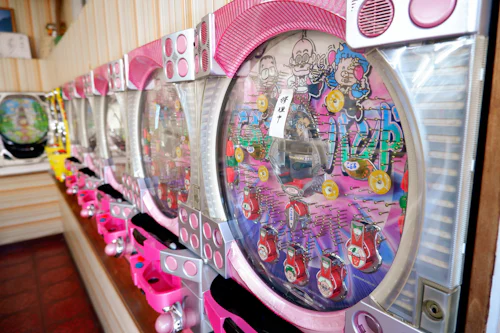
Moreover, casinos employ various strategies to take advantage of these psychological tendencies. By offering comp points or bonuses for continued play, casinos encourage players to stay engaged, despite a string of losses. This concept of ‘sunk cost fallacy’ plays into the decision-making process, as players feel they need to keep gambling to justify their earlier losses, resulting in a cycle that can be difficult to escape. Recognizing these patterns can empower players to make more informed decisions and mitigate the psychological effects of gambling.
The Role of Emotion in Gambling
Emotions heavily influence the decision-making process within casino games, often swaying players toward irrational choices. The highs and lows of gambling can create a rollercoaster of emotions, with joy and excitement accompanying wins, and disappointment or frustration following losses. This emotional fluctuation can cloud judgment, leading players to make impulsive bets or continue gambling even when it is detrimental to their well-being. Understanding this emotional cycle is crucial for both players and casino operators.
Additionally, the interplay of excitement and fear can lead to riskier behaviors. For example, the thrill of a high-stakes game may push players to wager larger amounts than they typically would. The excitement associated with potential rewards can drown out rational thought, resulting in poor financial decisions. Similarly, the fear of missing out can drive individuals to participate in games even when they are aware of the unfavorable odds, underscoring the powerful grip that emotion has on player behavior.
Another significant aspect of emotion in gambling is the concept of mood modification. Many players engage in gambling for its ability to alter their mood, using it as a coping mechanism for stress or anxiety. This behavior can become problematic, as players may increasingly turn to gambling to escape negative feelings. The transition from casual play to compulsive gambling often involves an emotional dependence on the game to provide comfort or distraction, highlighting the importance of addressing the emotional aspects of gambling for long-term player health.
Marketing and Player Retention Strategies
Marketing plays a pivotal role in shaping player behavior in casinos. Operators utilize various strategies to attract and retain players, leveraging psychological principles to create compelling offers. Promotions, loyalty programs, and attractive sign-up bonuses are instrumental in drawing in new players while keeping existing ones engaged. The psychological appeal of rewards, particularly those that create a sense of achievement, can lead to increased participation as players feel they are benefiting from their investment.
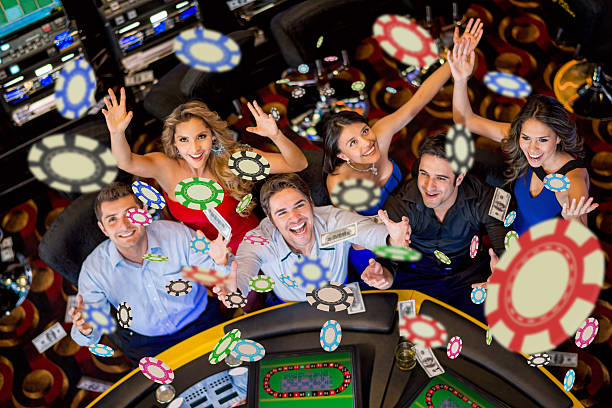
Moreover, the personalization of marketing approaches can enhance player retention. By using data analytics to understand player preferences and habits, casinos can tailor promotions to individual players. This customized experience not only fosters loyalty but also deepens emotional ties to the casino. When players feel valued and recognized, they are more likely to engage in prolonged gambling behavior, reinforcing the cycle of play and emotional investment.
Even the language used in promotional material plays a critical role in influencing player behavior. Persuasive and emotionally charged language can create a sense of urgency or fear of missing out, compelling players to act quickly. By framing statistics in a favorable light or emphasizing potential winnings while downplaying losses, casinos can manipulate perceptions of risk and reward, specifically targeting the player’s psychology to optimize engagement and spending.
Understanding Responsible Gambling
Amidst the allure of casinos and the complexities of player psychology, understanding responsible gambling is paramount. Being aware of the psychological triggers and emotional responses that drive gambling behavior empowers players to make informed choices. Recognizing personal limits and understanding the odds of games can mitigate the psychological traps that lead to problem gambling. Responsible gambling involves setting time and monetary limits, ensuring that the experience remains enjoyable rather than harmful.
Educational initiatives play an important role in promoting responsible gambling. Many casinos implement programs designed to inform players about the risks associated with gambling and provide resources for support. These initiatives encourage players to be aware of their emotional states and recognize when gambling may be becoming a problem. Creating an environment that prioritizes responsible gambling helps foster healthier relationships with gaming and reduces the negative impact on individuals and families.
Ultimately, the success of responsible gambling programs relies on open communication and transparency. Encouraging discussions about gambling behaviors and mental health can help break the stigma surrounding problem gambling. By fostering an environment where both players and operators are committed to responsible practices, the focus can shift from profit-driven motives to promoting well-being and healthier gambling habits in an ever-evolving industry.


