


The cultural significance of gambling in modern society
The Historical Context of Gambling
Gambling has been a part of human civilization for centuries, tracing its roots back to ancient cultures. From the dice games of Mesopotamia to the betting on chariot races in ancient Rome, it has always served as a means of entertainment, competition, and social interaction. This long-standing history illustrates how gambling has woven itself into the fabric of various societies, influencing cultural norms and traditions. Through these historical lenses, we can begin to appreciate the multifaceted significance gambling holds in today’s context, especially as seen in platforms like Casoola casino.
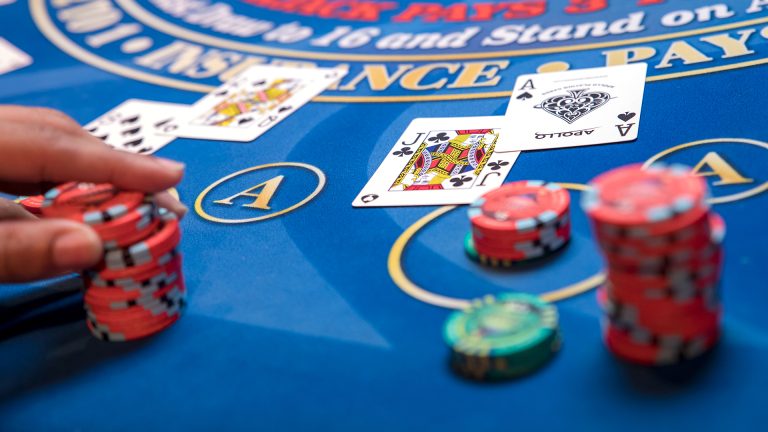
Throughout history, gambling has mirrored societal values, often representing both hope and desperation. In the Middle Ages, for example, lotteries were used to fund public projects, showcasing a communal approach to wealth generation. In contrast, the black market of gambling during Prohibition in the United States reflects how societal pressures can transform gambling into a rebellious act. These contrasting elements illustrate how gambling can be both a reflection of societal conditions and a catalyst for change.
As we moved into the modern era, the perception of gambling began to shift dramatically. The introduction of organized casinos in the early 20th century marked a turning point, transforming gambling from a clandestine activity into a legal and regulated industry. This transition not only facilitated economic growth but also sparked debates about morality, addiction, and social responsibility. Consequently, gambling’s evolution has left a lasting imprint on contemporary culture, making it a topic of significant interest and discussion.
The Social Impact of Gambling
In modern society, gambling serves as a social activity that can strengthen bonds among individuals. Friends and family often gather at casinos or online platforms, sharing experiences that range from thrill to frustration. These communal activities create shared memories, making gambling an integral part of social engagement for many. Furthermore, the rise of online gambling has expanded these social interactions, allowing people to connect across distances and form communities based on shared interests and experiences.
However, the social impact of gambling is not universally positive. While it fosters connection for some, it can also lead to isolation for others. The addiction that gambling can create has devastating effects on personal relationships and mental health. Families may suffer financial strain, which can lead to conflicts and even breakdowns in communication. This duality showcases the need for awareness and understanding of gambling’s implications, both positive and negative, in contemporary society.
Moreover, the social narrative surrounding gambling is evolving, particularly with the increasing acceptance of various forms of gaming. As gambling becomes more mainstream, it has begun to be seen as a legitimate form of entertainment rather than a taboo subject. This shift is evident in pop culture, where gambling-related themes appear frequently in movies, television shows, and literature, further embedding it into the societal consciousness.
Economic Contributions of Gambling
The gambling industry is a significant driver of economic growth in many regions. Legalized gambling generates billions in revenue, creating jobs and fostering tourism. Casinos and other gaming establishments often become key attractions for cities, contributing to local economies through taxes and spending. This economic impact underscores the importance of gambling as not only a pastime but also a vital component of financial health for various communities.
Additionally, the online gambling sector has surged, especially in light of advancements in technology and changes in legislation. The convenience of online platforms has opened up new revenue streams and created a global market. This growth brings with it challenges and opportunities for regulation, as various jurisdictions seek to balance economic benefits with consumer protection and responsible gaming practices.
However, the economic advantages of gambling should not overshadow the potential downsides. Issues such as gambling addiction and its associated costs can lead to increased social welfare expenses. As such, while the industry contributes positively to economic development, it is essential for lawmakers and society to implement measures that mitigate its negative impacts, ensuring that the benefits of gambling are equitably distributed.
The Psychological and Cultural Dimensions
Gambling’s allure can be traced to its psychological dimensions, rooted in risk-taking behavior and the thrill of uncertainty. For many, the act of wagering can elicit a rush of adrenaline, creating an exhilarating experience that draws them back time and again. This psychological aspect has been studied extensively, revealing that the brain’s reward systems are activated during gambling, reinforcing the desire to engage in this activity. Understanding these psychological factors is crucial for grasping why gambling remains such a prominent element of modern culture.
Culturally, gambling often reflects societal values and beliefs. In cultures that emphasize individualism, gambling may be viewed as a personal endeavor, while in collectivist societies, it can be seen as a communal activity. These varying perspectives shape how gambling is integrated into social practices, from family gatherings to community events. Furthermore, cultural narratives surrounding luck, chance, and fate can influence people’s attitudes towards gambling, fostering a rich tapestry of beliefs that enrich its significance in modern society.
Moreover, the portrayal of gambling in media has played a pivotal role in shaping public perception. Films and literature often dramatize the highs and lows of gambling, reinforcing stereotypes that can affect how individuals approach it. This portrayal can lead to both glorification and vilification, illustrating the complex dynamics that govern gambling’s place within cultural narratives. Recognizing these influences helps us understand the multifaceted relationship society has with gambling.

The Role of Online Casinos in Modern Gambling Culture
With the advent of technology, online casinos have transformed the gambling landscape, making it more accessible than ever. Platforms like Casoola Casino Canada cater to a wide array of players, offering an extensive selection of games and user-friendly experiences. This shift has made gambling a more prevalent activity in everyday life, allowing individuals to engage from the comfort of their homes. The convenience of online gaming has also led to an increase in participation, attracting a diverse demographic that spans age, gender, and cultural backgrounds.
The online casino industry has also brought forth discussions around responsible gambling and consumer protection. With its rapid growth, there is a heightened awareness of the potential risks associated with online gambling. Sites are increasingly implementing measures to promote responsible play, such as self-exclusion features and deposit limits. This proactive approach addresses societal concerns regarding addiction and encourages a safer gaming environment, balancing enjoyment with awareness.
Furthermore, the appeal of online casinos lies in their ability to create immersive experiences that replicate the thrill of traditional gambling. The introduction of live dealer games and interactive features enhances the gaming experience, bridging the gap between online and physical gambling environments. As technology continues to evolve, the significance of online casinos will likely increase, shaping future discussions around gambling culture and its impact on society.


